Protecting vulnerable children of Ukraine and their mental health
The project is being implemented to support children who need professional aid to overcome speech difficulties and the psychological consequences of the war.
DonateProject goal:
To help 160 children aged 4–8 with speech delays through speech therapy and psychological classes and to also provide support to their parents
Speech is the key to socialization, development, successful learning and self-confidence. It is through language that children learn about the world, establish their first contacts and form a sense of security and belonging. In conditions of war, constant stress and lack of offline learning, many children need qualified help. This project gives them back the opportunity to develop in a safe environment, learn, communicate and emotionally recover.
Implementation
Starting April 1st, 2025 and 6 months forward, experienced speech therapists and psychologists will work with children and their parents in the Derhachi community. An integrated approach allows you to work simultaneously with both technical and emotional aspects of speech development. After all, a stable psychological state is the foundation without which it is difficult for a child to open up, communicate and develop. The project includes:
203 signed consent packages from parents (for photos/videos, services, support, initial assessment);
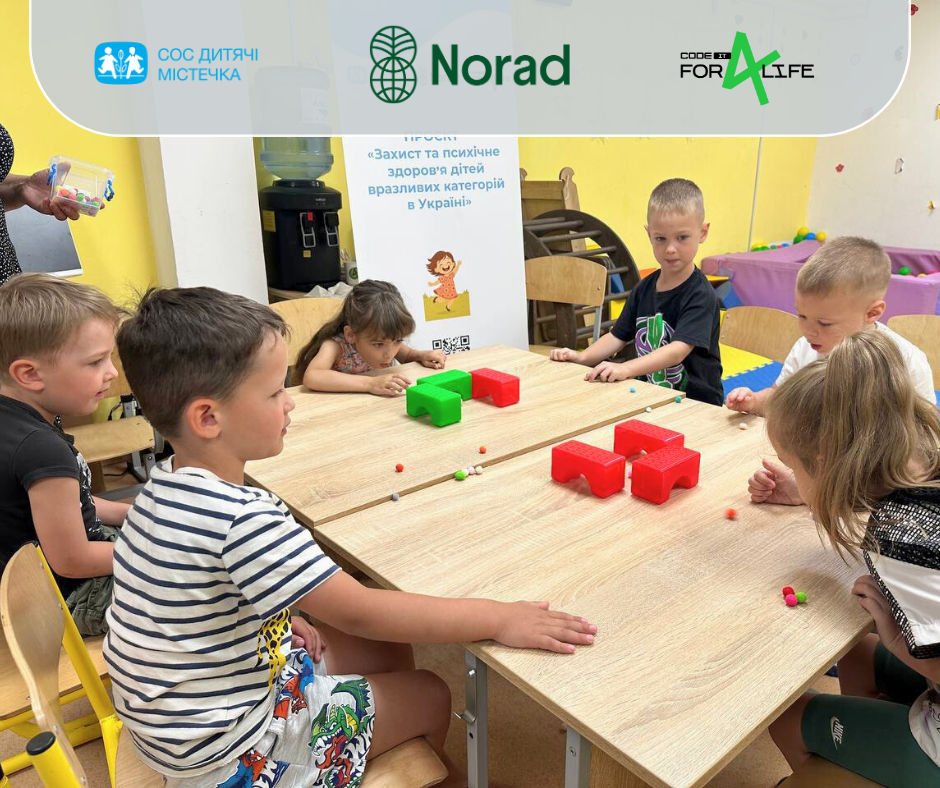
192 group speech therapy classes for children aged 4–6;
192 individual speech therapy classes for children aged 4–6;
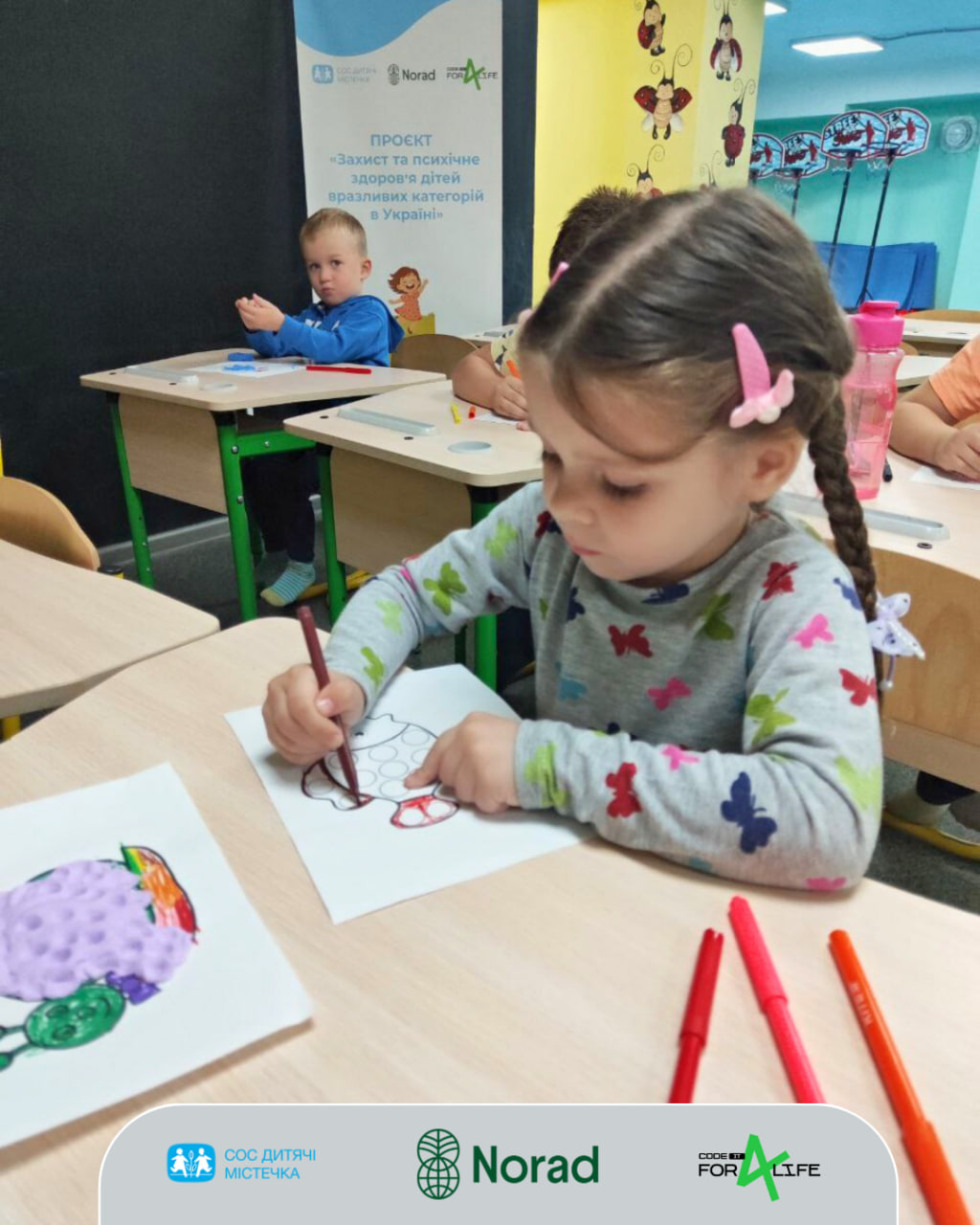
104 psychological meetings with children;
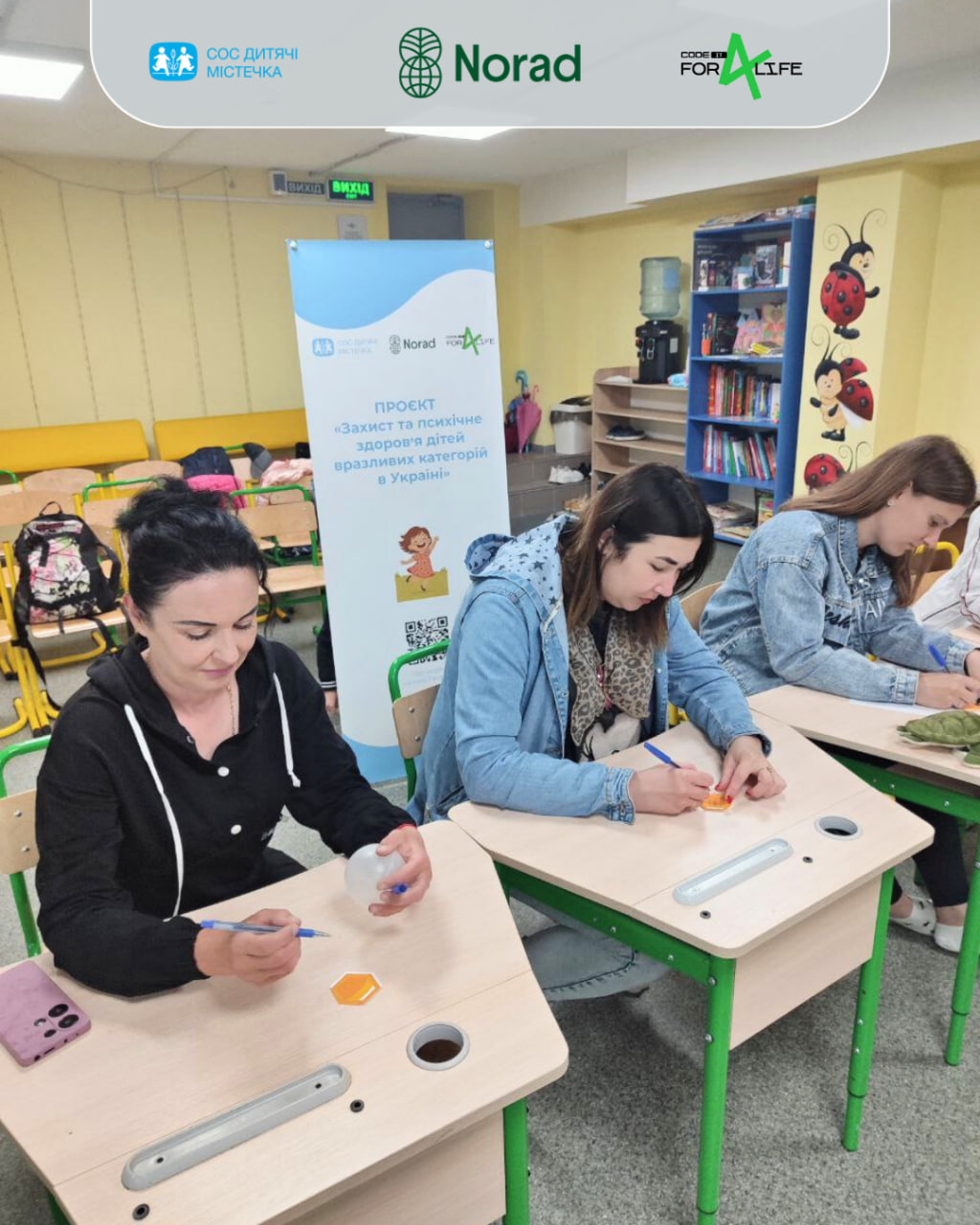
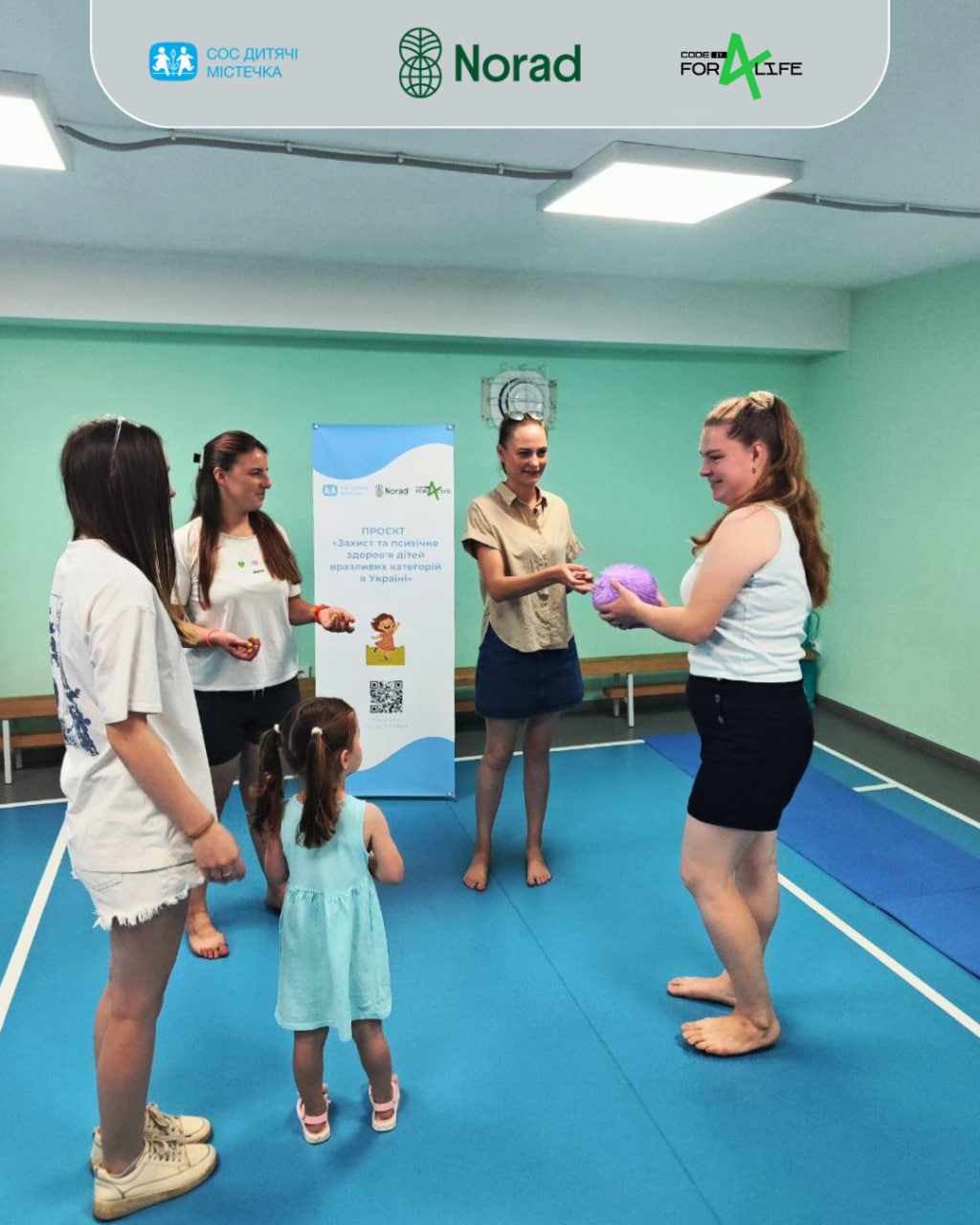
52 psychological meetings with parents;
40 parents will master speech development methods at home;
data on each child’s progress was collected through assessment logs and parent questionnaires;
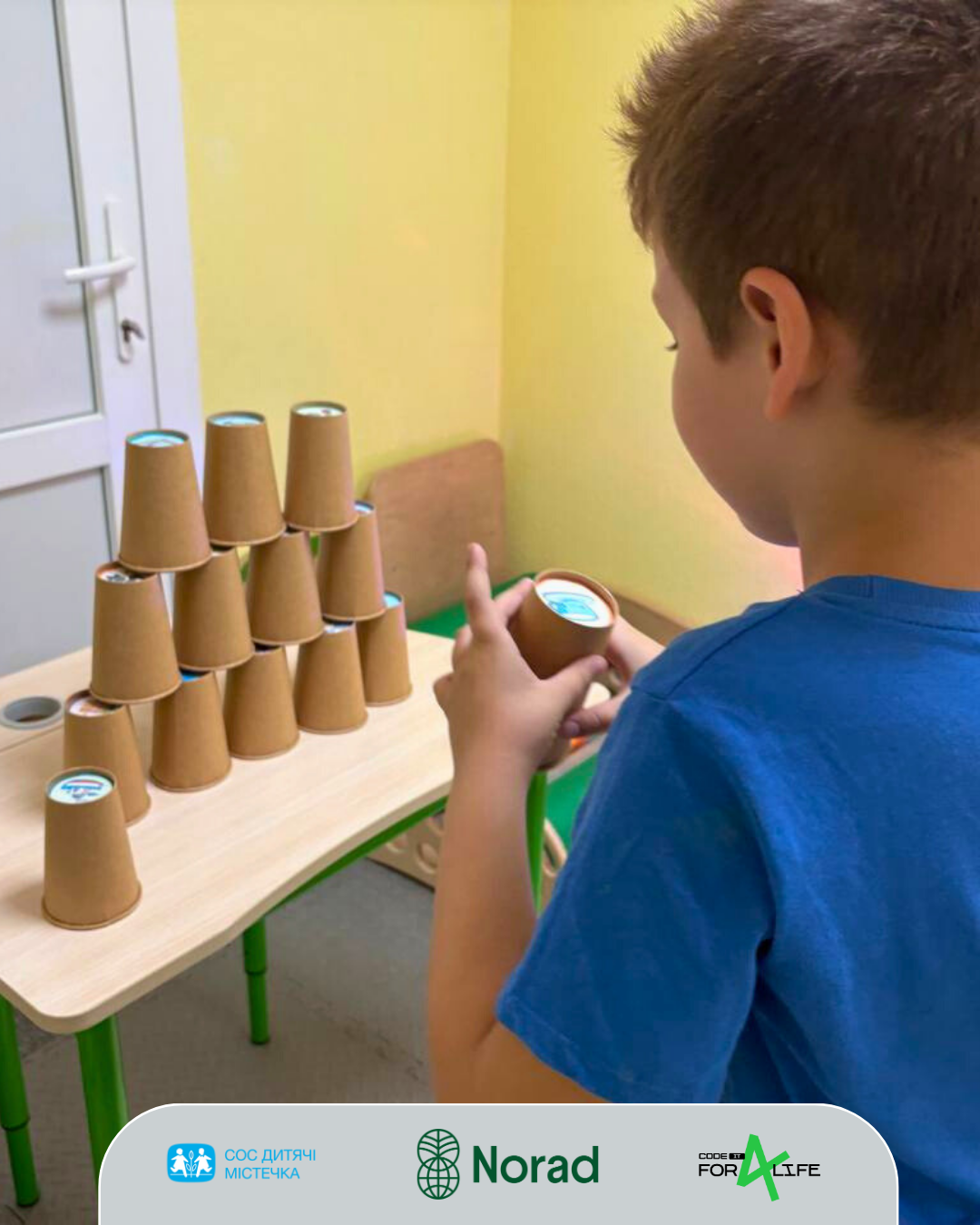
providing specialists and children with all the necessary materials for classes – games, cards, manuals.
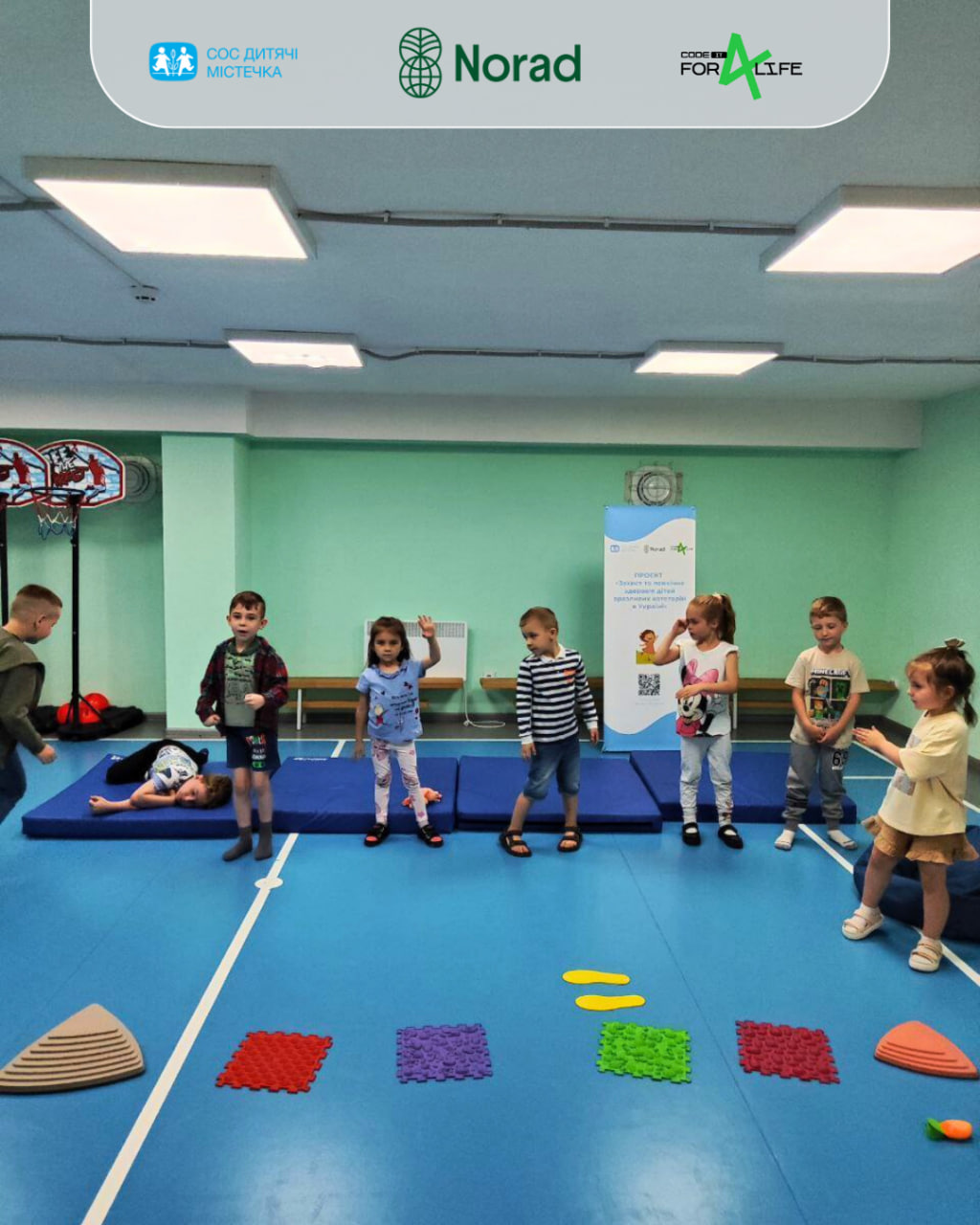
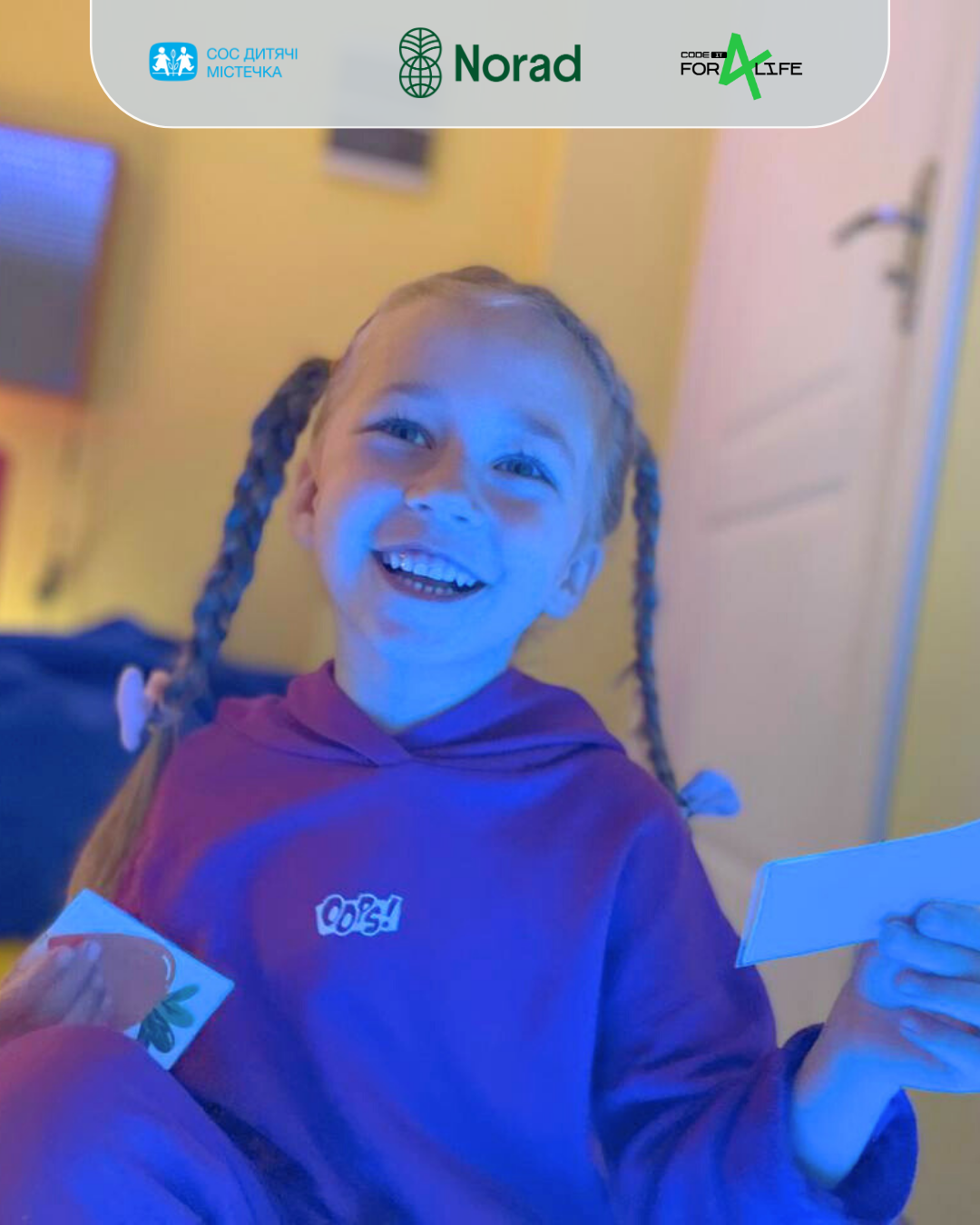
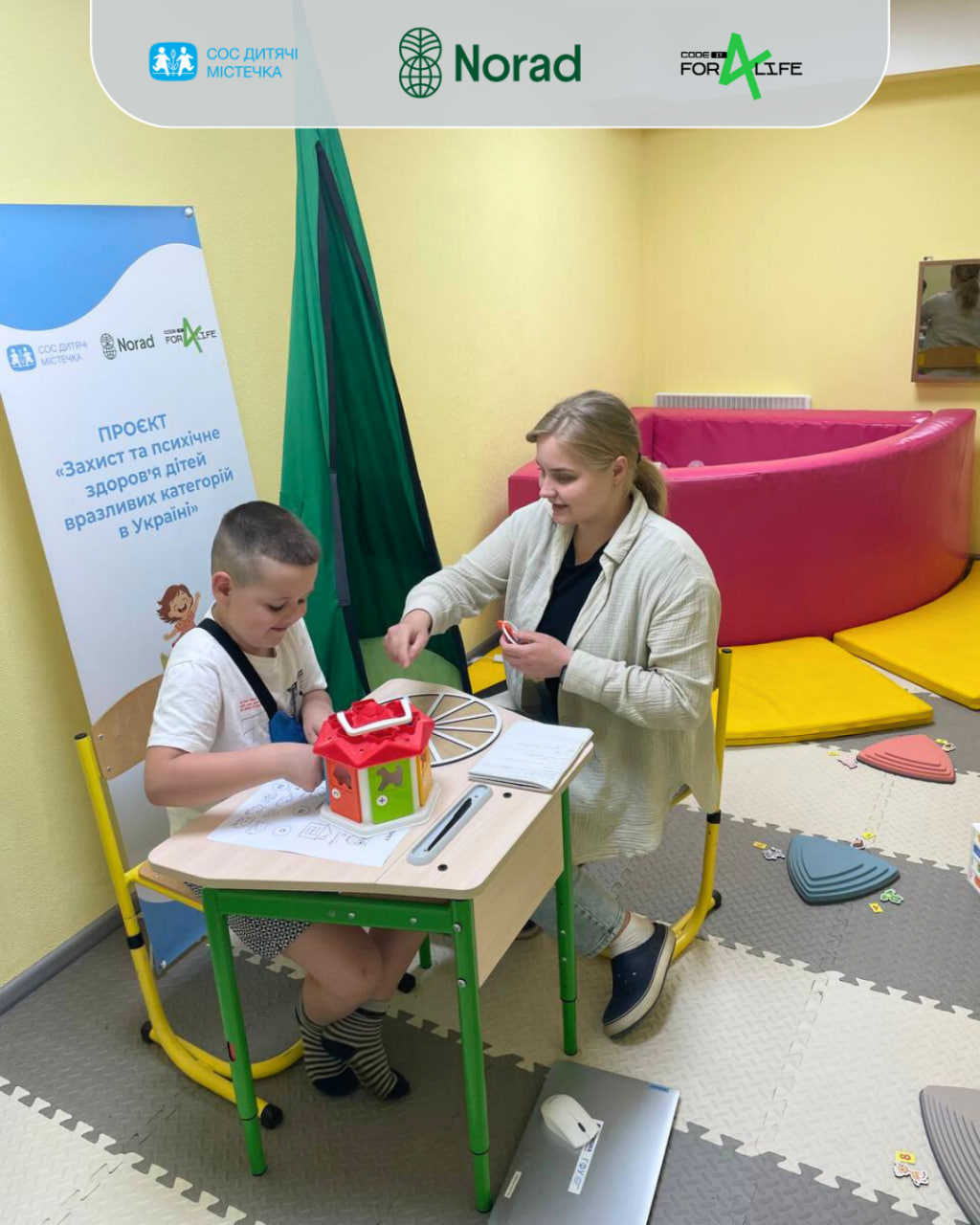
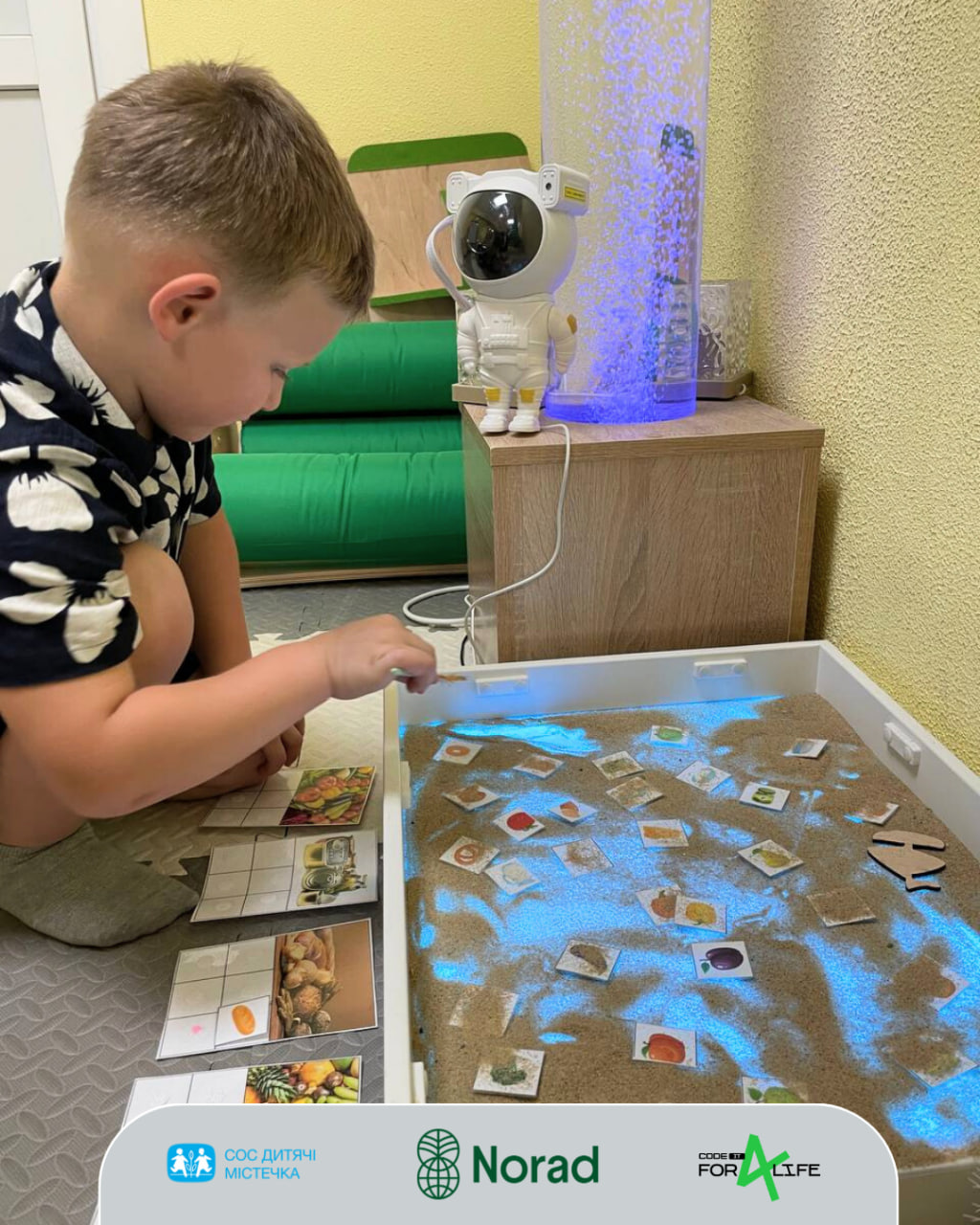
Classes take place in a safe space – a sensory room, which was previously created in cooperation between the foundation and the local community. Speech therapists work with children on speech development: pronunciation of sounds, expansion of vocabulary, formation of coherent speech. Psychologists help children overcome the effects of stress, reduce anxiety, regain self-confidence, and learn to express emotions verbally. Consultations are held for parents to teach them how to support their child’s development at home, understand their emotional state, and respond appropriately to difficulties.